Blower Door Testing: A Guide for New Construction in Montana
Building a new home in Montana involves meeting specific standards to ensure it is comfortable, healthy, and energy-efficient. One of the most critical steps in this process is the blower door test. This diagnostic tool is not just a recommendation; it is a requirement for all new residential construction across the state.
What is a Blower Door Test?
A blower door is a diagnostic tool used by energy professionals and builders alike to measure a home's airtightness. The setup consists of a variable-speed fan mounted into a flexible panel that fits securely within the frame of an exterior doorway.
To perform the test, the fan pulls air out of the house, lowering the internal air pressure. This depressurization forces higher-pressure outside air to flow in through any unsealed gaps, cracks, or penetrations in the "building envelope"—the shell that separates the conditioned interior from the outdoors. In some cases, the fan may be reversed to pressurize the home instead.
A calibrated blower door includes a digital pressure gauge, known as a manometer, which measures the pressure difference between the inside and outside to quantify the exact rate of air leakage.
Why are Blower Door Tests Used?
Establishing the proper level of building tightness is essential for several reasons:
- Energy Efficiency: Reducing excess air leakage significantly lowers energy consumption. Air leakage is often responsible for 10% to 30% of a home's total energy loss.
- Moisture Control: Proper sealing helps avoid moisture condensation problems that can lead to structural damage.
- Occupant Comfort: It eliminates uncomfortable drafts caused by outside air entering the home.
- Health and Safety: Testing helps control the entry of outdoor contaminants, pests, and odors. It also determines if mechanical ventilation is needed to maintain indoor air quality.
- Equipment Sizing: Knowing the home's airtightness allows for the proper sizing of heating and cooling systems. A system that is too large may cycle on and off too frequently, while one that is too small may fail to keep the home comfortable.
During the test, professionals may also use infrared cameras or smoke pencils to pinpoint specific leak locations, such as around recessed lights or wiring penetrations.
Montana’s Requirements for New Construction
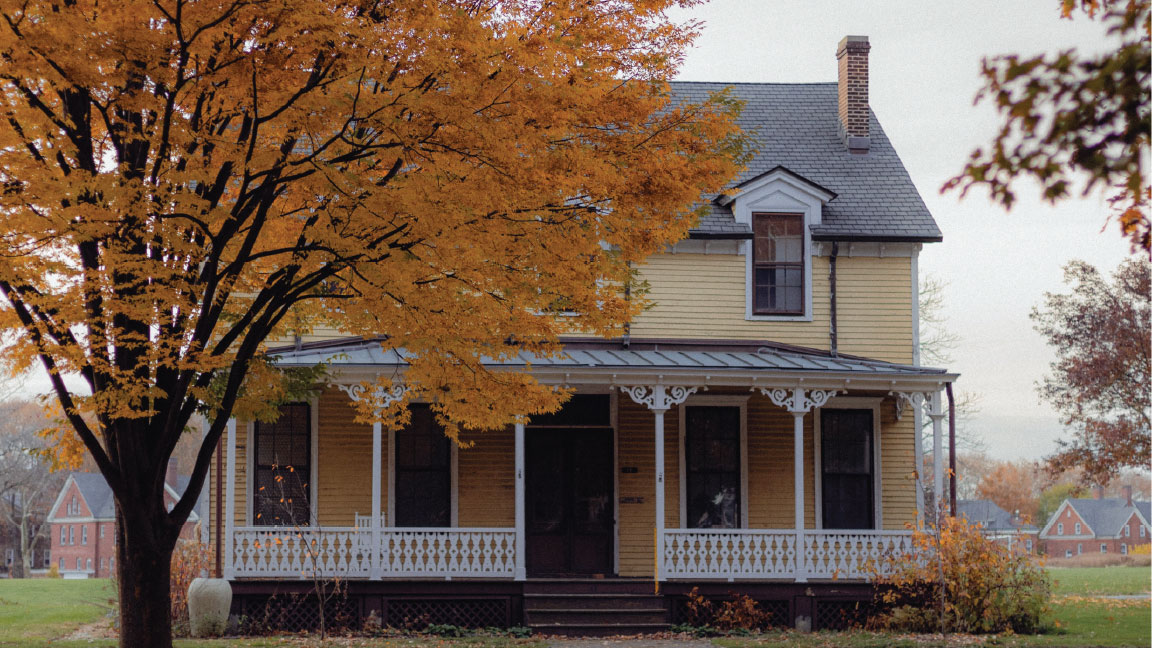
In Montana, the state energy code provides the minimum requirements for the efficient design and construction of all new residential homes. Under these regulations, a blower door test is mandatory to confirm that air sealing requirements have been met.
The specific standards include:
- Leakage Rate: New homes in Montana (Climate Zone 6) must be verified as having an air leakage rate of no more than 4 air changes per hour at 50 Pascals of pressure (written as 4 ACH50).
- Certification: Montana law requires builders to certify that their homes meet these statewide minimum standards.
- Documentation: The test results must be signed by the party conducting the test and provided to the code official, state, or homeowner. Furthermore, the results must be listed on the Energy Code Compliance Label, which must be permanently affixed to the electrical breaker panel of the home.
Preparing for the Test
To ensure an accurate reading, the home must be prepared according to specific protocols:
- Exterior Openings: All windows and exterior doors must be closed but not sealed.
- Interior Doors: All interior doors should be open.
- Vents and Dampers: Fireplace dampers and doors must be closed. Combustion air vents and dryer vents must be sealed for the duration of the test.
- Heating Systems: All heating and cooling systems must be turned off. If wood-burning appliances are used, all fires must be completely extinguished before the auditor arrives.
By following these procedures, the blower door test provides a "physical exam" for a building, ensuring it is built to the high-performance standards required by Montana law.
So, no matter where your building in Montana, requirements set forth by the Montana Energy Code are a must to ensure a quality, healthy, and efficient home.
.png)