Considerations for Pre-1950's Homes
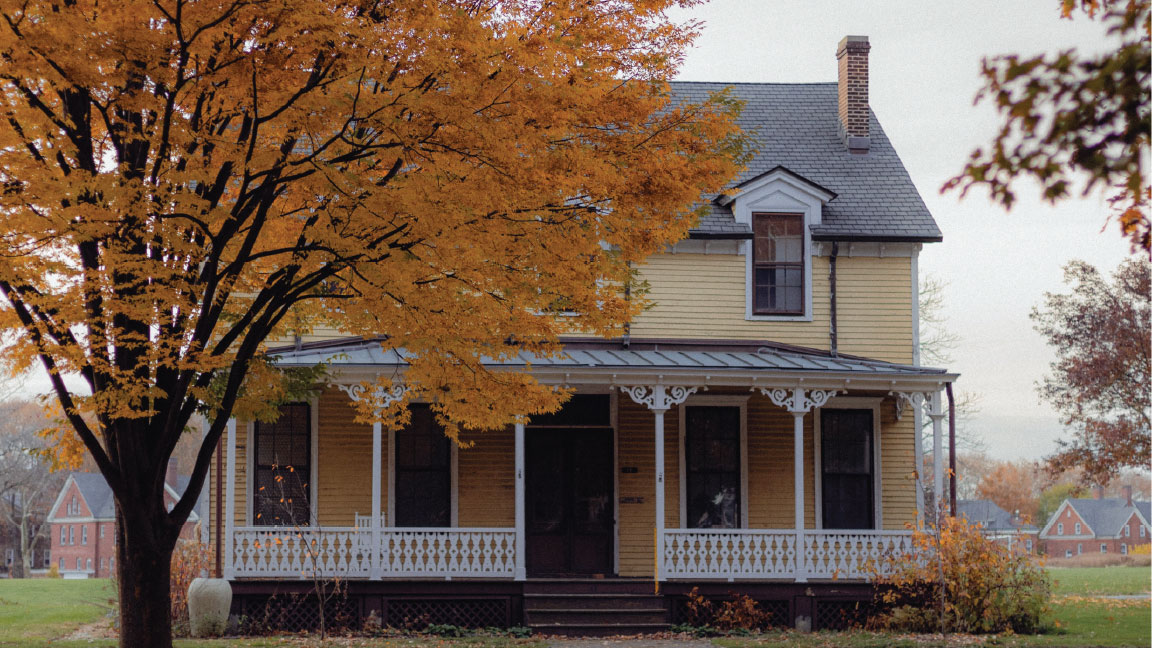
There’s something special about older Montana homes. Maybe it’s the craftsmanship, the quirks, or the sense that the walls have witnessed more than a century of stories. From a 1920s Craftsman in Missoula to a weathered farmhouse on the Hi-Line, these homes have a charm you just can’t get from a modern builder.
But buying a home built before 1950 isn’t quite the same as buying something newer. The details that make these homes beautiful can also come with maintenance challenges, outdated systems, and hidden surprises.
Let’s walk through what you might find, and what you’ll want to think about before you sign on the dotted line.
1. The Bones of the House
Back then, common building practices weren’t what they are today.
- Stone or rubble foundations: bring a ton of character, but they can settle or crumble over time, especially when the home has poor exterior moisture management.
- Wood support posts: often untreated, unsecured, and in direct contact with soil. Moisture and rot may have taken a toll.
- Balloon framing: (wall studs extending from the foundation to the roof) common, but without fire-blocking, flames can travel quickly up uninterrupted wall cavities.
- Shallow foundations: cold Montana winters means a relatively deep frost line (36" in most counties). Older foundations set well above the frost line can be more susceptible to frost heave.
What to do: Have your inspector check for settling, crumbling mortar, or any signs the house has shifted over the years. Remember that some signs of settlement are to be expected with homes of this age.
2. Wiring from Another Era
Electricity was a luxury in some Montana towns until well into the 1940s. Your home may very well have remnants of the original wiring.
- Knob-and-tube: not often a hazard by itself, but quickly becomes a fire hazard with the introduction of building insulation and improper splicing with other wiring types.
- Two-prong outlets: mean no grounding, not ideal for today’s electronics and safety standards.
- Obsolete electrical panels: fuses or problematic breaker types can be limiting and, in some cases, unsafe.
What to do: Plan for likely electrical upgrades. They’re not glamorous, but they’re a solid investment in safety.
3. Plumbing That’s Seen Better Days
Older Montana plumbing systems included a variety of materials and installation techniques.
- Galvanized steel pipes: that slowly corrode from the inside out, leading to flow restrictions and possible leaks.
- Damaged sewer/septic lines: cast iron, orange burg, and clay sewer lines are common for older Montana homes. Susceptible to damages and root intrusion.
- Obsolete traps: s-traps, drum traps, and other types of obsolete trap designs are common in older homes where venting for the plumbing systems is often insufficient.
What to do: Test the water quality, scope the sewer lines, and have well pumps tested, budget for replacement with newer materials such as PEX and PVC.
4. Insulation (or Lack Thereof)
Insulation wasn’t always a priority in early Montana homes.
- Vermiculite insulation: assumed to contain asbestos due to the mine in Libby, MT.
- Non-traditional materials: we've seen everything from wood fiber to packing peanuts.
- Limited insulation: it's not uncommon to find older homes missing wall insulation or having less than 4" of insulation in the attic space.
What to do: Have insulation inspected for type and amount, and be ready for upgrades to keep those winter heating bills in check.
7. Hazardous Materials
Before modern understanding, certain materials were just part of the package.
- Lead-based paint: used extensively before 1978.
- Asbestos-containing products: siding, flooring, insulation, duct wrap and more.
What to do: Don’t panic. Test before you renovate, and bring in qualified pros for removal if needed.
8. History Can Come with Strings
If the home is in a historic district, you might have restrictions on exterior changes — but you may also be eligible for tax credits for preservation work.
The Bottom Line
Buying a Montana home from before 1950 is a bit like adopting a classic car — it’s not just a purchase, it’s a relationship. With the right care, these homes can be more solid and beautiful than anything built today. But they deserve a thorough inspection from someone who knows the era and the quirks of Montana construction.
When you understand the history, the materials, and the upgrades you might need, you’re not just buying an old house, you’re becoming the next chapter in its story.
.png)