Home Features That Cause More Problems Than They're Worth
When buyers walk through a home, it’s easy to be drawn to the features that feel unique or luxurious. A skylight pouring in natural light. A jetted tub tucked into the corner of a primary bathroom. A lush yard kept green by an in-ground sprinkler system. These are the details that photograph well and help a home feel memorable.
But from an inspection standpoint, we've learned that some of the most attractive features are also the ones that create the most maintenance, the most hidden risk, and the most long-term frustration. None of these items are inherently bad. In fact, when installed well and maintained properly, they can be great. The challenge is that they often require more attention than people expect, and when that attention slips, problems tend to follow.
Here are a few house features I regularly see that can cause more trouble than they’re worth.
Jetted bathtubs
Whirlpool or jacuzzi tubs are one of the most common examples. They sound great in theory, and they certainly help sell the idea of a spa-like bathroom. In reality, most homeowners rarely use them. Over time, the internal plumbing can develop buildup and biofilm, especially if the system sits unused. Pumps fail, piping leaks, and repairs can be expensive and invasive. What was once a luxury feature often turns into something that just takes up space and collects bacteria.
Skylights
Skylights are another feature people love, and for good reason. They bring in beautiful natural light and can make a room feel more open and alive. But every skylight is also a roof penetration, and roof penetrations are one of the most common places for leaks to develop. Flashing can be missed, seals can fail, and small issues can go unnoticed until there’s staining or damage inside the home. In our climate, with snow, ice, and seasonal temperature swings, they tend to require more monitoring than many homeowners anticipate.
In-Ground Sprinklers
In-ground sprinkler systems can make maintaining a lawn much easier, but they come with their own set of responsibilities. Heads get damaged by mowers. Lines can leak underground without being obvious. Systems need to be properly winterized each year to avoid freeze damage. And when something does go wrong, tracking down the issue can mean digging up sections of the yard. It’s a convenience feature that quietly adds another system to maintain.
Central Vacuums
Central vacuum systems are another interesting one. At one time, they were seen as a premium upgrade. Today, they’re often underused or no longer functional. The motors wear out, the long pipe runs can clog, and replacement parts or service can be hard to find. Meanwhile, modern portable vacuums have gotten so good that many homeowners simply stop using the built-in system altogether.
Whole-House Humidifiers
Whole-house humidifiers fall into a similar category. They can be helpful during dry winter months, especially in our region, but they need regular maintenance. Filters need to be changed, internal components can accumulate mineral deposits, and small leaks can develop at supply lines. When neglected, they can contribute to moisture issues or mold growth inside the ductwork. They’re a helpful feature when cared for, but easy to forget about until there’s a problem.
Brick / Stone Veneers
Brick and stone veneers look solid and permanent, and they add a lot of character to the exterior of a home. The challenge is that they’re not structural — they’re a cladding system that relies heavily on proper flashing, drainage, and installation details. When those details aren’t done right, moisture can get trapped behind the veneer and cause hidden damage over time. It’s not the material itself that causes issues; it’s how unforgiving the system can be if shortcuts were taken during installation.
Trees & Other Vegetation
Surrounding vegetation is something people don’t always think of as a “feature,” but it plays a huge role in how a home performs over time. Trees and shrubs planted close to the structure can lead to constant gutter clogging, siding abrasion, and offer an access route for pests and wildlife. Roots can work their way into sewer lines. Overgrown landscaping can block airflow and trap moisture. Mature yards are beautiful, but they require thoughtful upkeep to prevent long-term damage.
Complex Rooflines
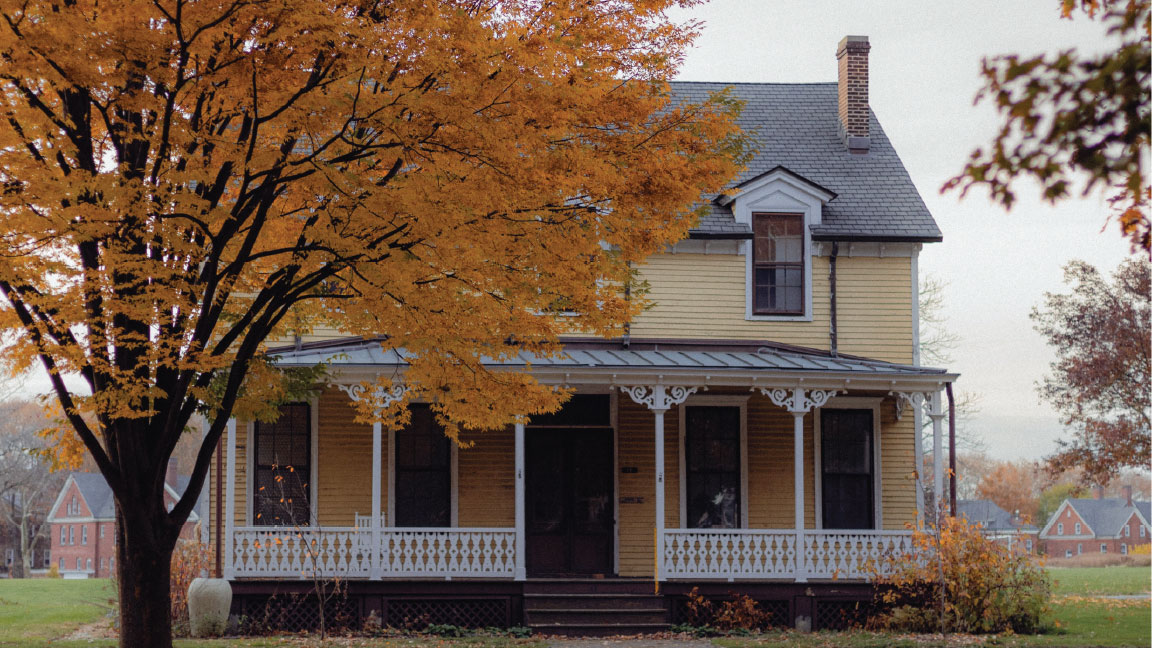
Complex rooflines are another common source of trouble. From the ground, they can make a house look interesting and high-end. From an inspection perspective, every valley, dormer, and transition creates another point where water has to be carefully managed. The more complicated the roof, the more areas there are for flashing to fail, debris to collect, and leaks to develop. These roofs also tend to be more difficult and expensive to repair or replace when issues arise or time runs its course.
None of these features are deal-breakers. Many of them are part of what gives a home its personality and comfort. The key is understanding that they often shift a home from low-maintenance to high-attention. They require a little more awareness, a little more upkeep, and sometimes a little more budget over time.
When buyers understand that going in, they can make better decisions about what fits their lifestyle. And when homeowners stay on top of the maintenance, these features can be enjoyed without becoming a constant source of frustration. Like most things in a house, it’s not about avoiding them entirely — it’s about knowing what comes with them.
.png)