Radon in Water: A Technical Overview
1. The Multi-Pathway Risk: Contextualizing Radon in Residential Water Supplies
While radon is traditionally characterized as a soil-gas issue, a professional approach to indoor air quality necessitates a shift toward a "whole-house" assessment model. For residences utilizing private wells, radon in water represents a significant, yet frequently overlooked, contributor to total indoor exposure. Environmental specialists must recognize that addressing only the gas migrating through the foundation provides an incomplete risk characterization. Radon in private well water acts as a significant secondary source; as it enters the home through the plumbing, it can be released into the air, augmenting the radon levels already present from soil vapor intrusion. This multi-pathway risk profile demands that we move beyond narrow mitigation strategies toward a holistic understanding of how the subsurface environment interacts with the built environment.
2. Mechanics of Radon Entry and Hydrogeological Variability
The presence of radon in private water systems is a direct result of the subsurface environment where groundwater interacts with geological formations. Radon gas, a byproduct of naturally occurring uranium decay, dissolves into the groundwater before it is pumped into a residential well. This process is governed by complex hydrogeological factors that make prediction impossible without direct, site-specific sampling.
A primary challenge for professionals is the extreme variability of radon concentrations across short distances. Proximity to a known "hot spot" is an insufficient predictor of individual well safety because of the "patchwork" nature of subsurface geology. Variations in well depth can lead to the tapping of different aquifer layers with significantly different mineral compositions, meaning one home may show negligible levels while a neighbor’s well requires immediate remediation.
Based on the research and standards work of Dr. Uttam Saha and Dr. Michael Kitto, as discussed in the Indoor Environments Project podcast, the primary variables influencing groundwater radon concentrations include:
- Mineral Composition of the Aquifer: The specific concentration of uranium and radium in the localized rock strata.
- Localized Groundwater Flow: The direction and velocity of subsurface water movement which can transport dissolved gas from distant source rocks.
- Well Depth and Construction: The specific strata from which the water is drawn, which dictates the contact time and surface area available for radon diffusion.
As these geological factors dictate the presence of radon in deep groundwater, the physical processes of release only begin once that water is utilized within the domestic envelope.
3. Exposure Mechanics: The Physics of Water-to-Air Transfer
The strategic importance of waterborne radon lies in its volatilization from the aqueous phase to the indoor atmosphere. This kinetic release is the primary driver of inhalation risk, which far outweighs the risks associated with the ingestion pathway. Understanding the physics of this transfer is essential for calculating the total lung cancer risk for occupants.
Inhalation vs. Ingestion
While the ingestion of radon-contaminated water poses a documented risk to internal organs, the inhalation of its decay products is the dominant concern for human health. Once radon gas is released into the air, its progeny can be inhaled, potentially causing cellular damage to lung tissue.
Volatilization and Aerosolization through Household Activities
The transfer of radon gas is facilitated by household activities that increase the surface area of the water and provide kinetic energy for gas escape. These include:
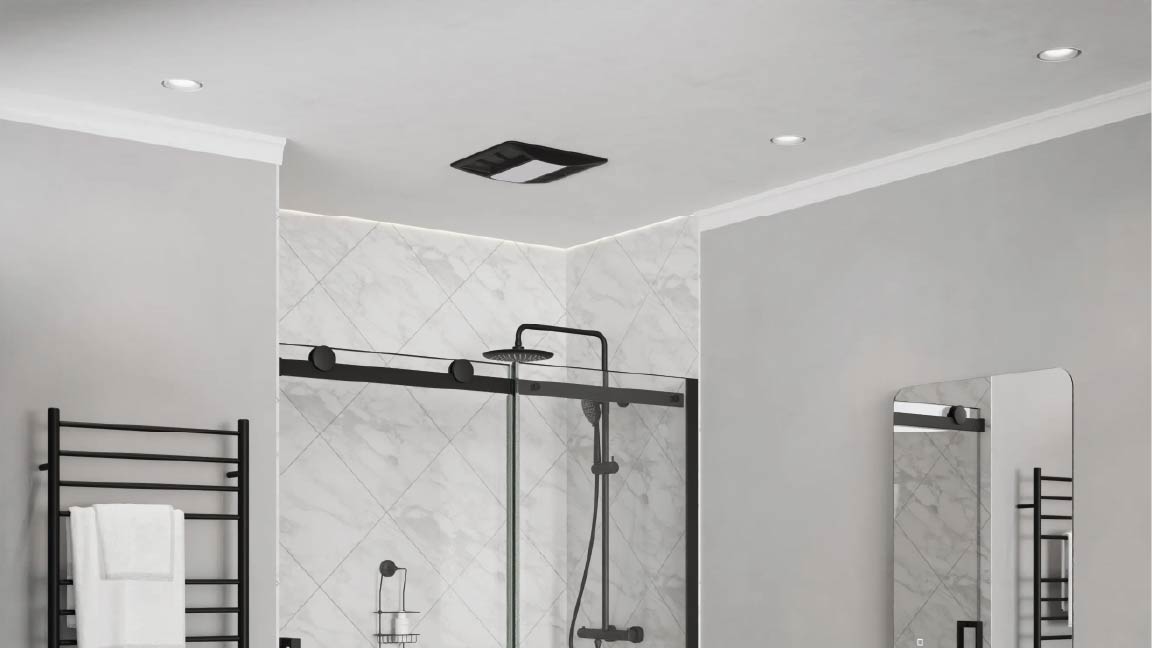
- Showering: The high surface area of water aerosolization combined with elevated temperatures maximizes the volatilization of dissolved gas.
- Laundering: Mechanical agitation and the high volume of water used in washing machines facilitate significant gas release.
- Dishwashing and General Tap Use: Any point-of-use where water is exposed to the air serves as a release point for the contaminant.
The "So What?" Factor: These activities create intermittent "spikes" in indoor radon levels, resulting in a dynamic exposure profile. Even in a home where soil gas intrusion is successfully mitigated below the EPA Action Level (4.0 pCi/L), the sudden volatilization of radon from a morning shower or a load of laundry can cause short-term exceedances of that threshold. These spikes can contribute significantly to the long-term cumulative exposure of the occupants.
4. Professional Testing Protocols and Regulatory Standards
Standardized testing is the only definitive method to quantify the risk posed by radon in water. From a professional ethics standpoint, practitioners must ensure that clients receive data that reflects the total indoor environment. The Indoor Environments Association (IEA) is currently refining these standards through initiatives like the IEA-402 continuing education course, ensuring specialists are equipped with the most current protocols.
A common "field question" involves whether to test water and air simultaneously. The professional directive is that because radon in water serves as a secondary source for indoor air, concurrent testing of both pathways is essential for a complete diagnostic picture. Without a water test, it is impossible to determine if elevated air levels are the result of soil vapor intrusion, water-to-air transfer, or a combination of both. Homeowners should always be directed to engage qualified professionals who utilize certified laboratory services to avoid the pitfalls of improper sample collection, which can lead to significant gas loss and underreporting.
5. Technical Evaluation of Mitigation Technologies: Aeration vs. GAC
The primary goal of waterborne radon mitigation is to eliminate the dissolved gas at the point of entry (POE), preventing it from entering a home’s plumbing system. When selecting a mitigation technology, the choice typically depends on the initial radon concentration, the necessary adsorption capacity, and the homeowner's ability to manage long-term maintenance. Aeration systems are considered the industry gold standard for high-load environments, achieving an efficacy of over 99% reduction. These systems utilize Henry’s Law by using physical agitation and blowers to vent radon gas safely outdoors, though they do require mechanical maintenance for pumps, blowers, and nozzles.
In contrast, Granular Activated Carbon (GAC) systems use the adsorption capacity of carbon media to trap radon gas. While GAC is effective for lower concentrations, its efficiency decreases as the media reaches saturation. Furthermore, GAC is less suitable for high-load scenarios because it can lead to radionuclide accumulation and potential gamma emanation from the tank. Because of these risks, GAC systems require strict monitoring for radiation build-up and a disciplined schedule for media replacement.
6. Conclusion: The Path Forward for Environmental Specialists
Managing radon in water requires a commitment to professional rigor and an understanding that indoor air quality is influenced by multiple, often invisible, pathways. As the industry moves toward more sophisticated standards, environmental specialists must lead the way in educating the public on the necessity of comprehensive testing.
Critical Takeaways for Professionals:
- Acknowledge Site-Specific Variability: Never assume a well is safe based on neighboring property data; the geological and hydrological factors influencing radon are too localized for generalizations.
- Prioritize the Inhalation Pathway: Focus mitigation and testing on the volatilization mechanics during household activities, as these create the most significant exposure spikes.
- Utilize Standard-Based Mitigation: Base technology selection—Aeration versus GAC—on the specific concentrations and potential for radionuclide accumulation identified through laboratory testing.
The role of professional organizations like the Indoor Environments Association (IEA) is vital in this effort.

.png)