Building Science: Bathroom Fans
As home inspectors in Montana, we regularly see bathrooms with peeling paint, moisture damaged trim, and occasionally mold/mildew growth. Homeowners often assume these conditions mean the bathroom fan isn't working optimally.
While this can be true, it's worth noting that a bathroom fan isn't necessarily supposed to keep the bathroom dry during a shower. Its more important job is to help the bathroom dry out afterward. The problem therefore, may not be the fan itself, but our use of it.
1. The Odor Myth
Bathroom fans help with odors, but moisture is the bigger concern for your home, and why bathroom ventilation is required by Montana building codes.
Showers introduce a large amount of moisture into a small space. If that moisture lingers, it can contribute to peeling paint, swollen woodwork, damaged drywall, mold, and other deterioration.
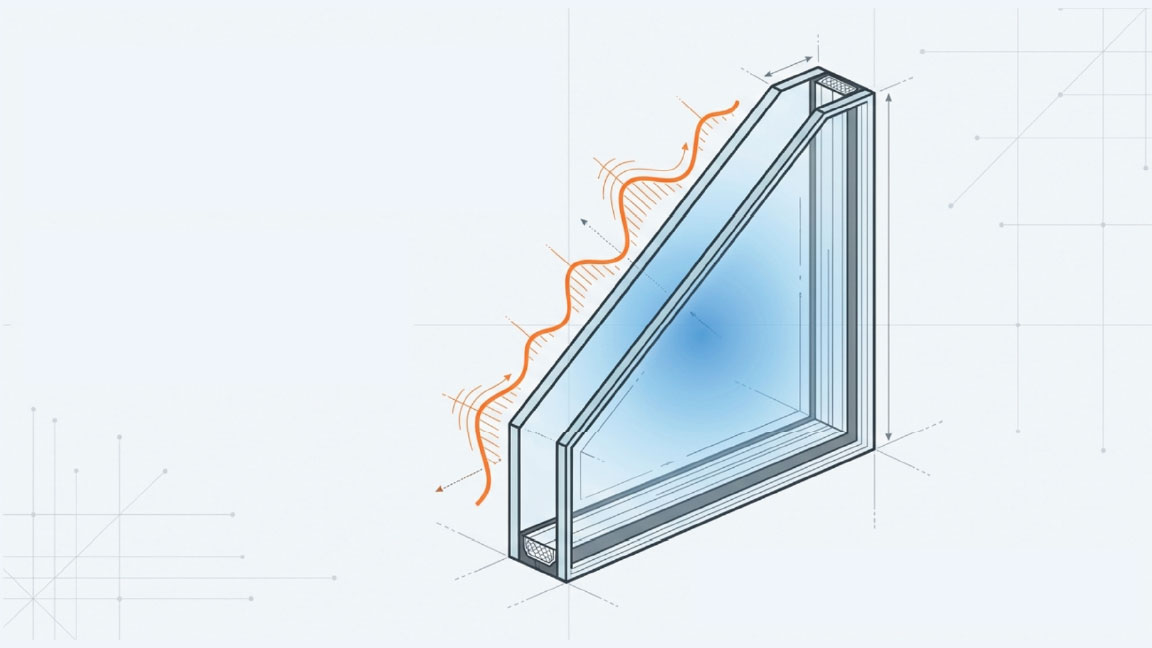
This is especially important during Montana winters, when warm, humid bathroom air comes into contact with cold windows, exterior walls and ceilings.
2. A Fogged Mirror Is Unavoidable
A typical exhaust fan cannot remove moisture as quickly as a hot shower produces it. Period.
When warm, humid air contacts a surface below its dew point, condensation forms. That's why mirrors, windows, and walls may become wet even when the exhaust fan is working properly.
Further, what we think of as "steam" from a shower is still liquid water. Water vapor itself is invisible. The white "steam" around your shower is made up of tiny liquid water droplets suspended in the air, essentially indoor fog.
Those droplets can land directly on walls, ceilings, mirrors, and other surfaces. Your fan isn't going to be able to prevent materials becoming wet via this mechanism. Meanwhile, invisible water vapor can also condense against colder materials.
A bathroom fan helps manage this moisture, but expecting it to prevent every wet surface isn't realistic.
Even NASA, with its bottomless budget and super-computing power, hasn't figured out how to provide a ventilated shower for astronauts; your 50 CFM ceiling fan certainly won't win that battle.
The better question isn't "Did the bathroom get wet?"
It's "How quickly did it dry?"
4. Keep the Fan Running
Running the fan during the shower helps, but the period afterward is especially important.
Once the shower stops producing moisture, the fan can begin lowering the humidity and drying wet surfaces by inducing evaporation. A good general practice is to run the fan during the shower and for about 20–30 minutes afterward.
Timer switches and humidity-sensing fans make this much easier.
5. Take It Outside
A bathroom fan needs to actually exhaust outdoors.
We often find fans dumping warm, humid air into attics or other enclosed areas. In Montana's climate, exhausting bathroom moisture into a cold attic can contribute to condensation, frost, mold, and roof-sheathing deterioration.
The fan isn't solving the moisture problem if it's simply moving that moisture somewhere else inside the house.
The Bottom Line
A fogged mirror isn't necessarily evidence of a ventilation problem.
What matters is whether the bathroom dries within a reasonable amount of time.
The objective of a bathroom exhaust fan is not to keep the room perfectly dry at all times; it is to minimize the window of time that liquid water remains on finish surfaces. Water becomes problematic only when it hangs around long enough for chemical reactions to occur or for mold to grow.

.png)