Modern Manufactured Homes: 5 Surprising Facts
For decades, factory-built housing has struggled under the weight of the "trailer park" stereotype—a vision of cramped, temporary, and poorly constructed dwellings. However, modern industry standards and historical data reveal a reality that bears little resemblance to the travel-trailer ancestors of the 1930s. Today’s manufactured housing sector represents a sophisticated branch of residential real estate, governed by unique federal oversight and defined by permanent placement.
To understand the current housing landscape, one must look past the stigma. The following truths reveal a sector that offers architectural diversity and technical rigor, debunking the most persistent myths about what it means to live in a factory-built home.
1. The "Mobile" Label is Legally Obsolete
The term "mobile home" is not merely a colloquialism; it is a technically and legally inaccurate label for any factory-built home constructed after June 15, 1976. In 1980, the U.S. Congress officially mandated the replacement of "mobile home" with "manufactured housing" in all federal laws and literature.
Despite this 40-year-old rebranding, the "mobile" tag persists in common parlance. This persistence reflects a deep-seated cultural memory of the industry’s roots in the travel trailers of the Depression era. However, the modern reality is that these homes are fundamentally stationary. The industry has effectively engineered the "mobility" out of the product, even if the wheels remain for the initial delivery. Data indicates that relocation is a statistical anomaly:
"However, 'mobile' is no longer an accurate name because fewer than 5% of such homes are ever moved off the owner's original site."
With 95% of these structures remaining on their original foundations for their entire lifespan, the "mobile" designation is a linguistic relic. The label describes a portability that the market simply does not utilize, masking the fact that these are permanent additions to the American housing stock.
2. The "Steel Chassis" Distinction and Regulatory Sovereignty
While "manufactured" and "modular" are often used interchangeably, they occupy different legal and structural universes. The defining technical difference is the permanent steel chassis required for manufactured homes. This chassis makes the home technically movable, which in turn triggers a unique form of "regulatory sovereignty."
While modular homes must adhere to the fragmented state and local building codes that govern traditional site-built houses, manufactured homes answer to a single authority: the Department of Housing and Urban Development (HUD). The federal National Manufactured Home Construction and Safety Standards (the "HUD Code") is the only national building code in the United States. This uniform standard regulates everything from structural durability and fire resistance to energy efficiency. Buyers can verify this compliance by looking for the small red and silver seal affixed to every unit, certifying that the home underwent rigorous inspection during construction to meet federal safety benchmarks.
3. The Critical "90-Day Level" Check: A Contractual Necessity
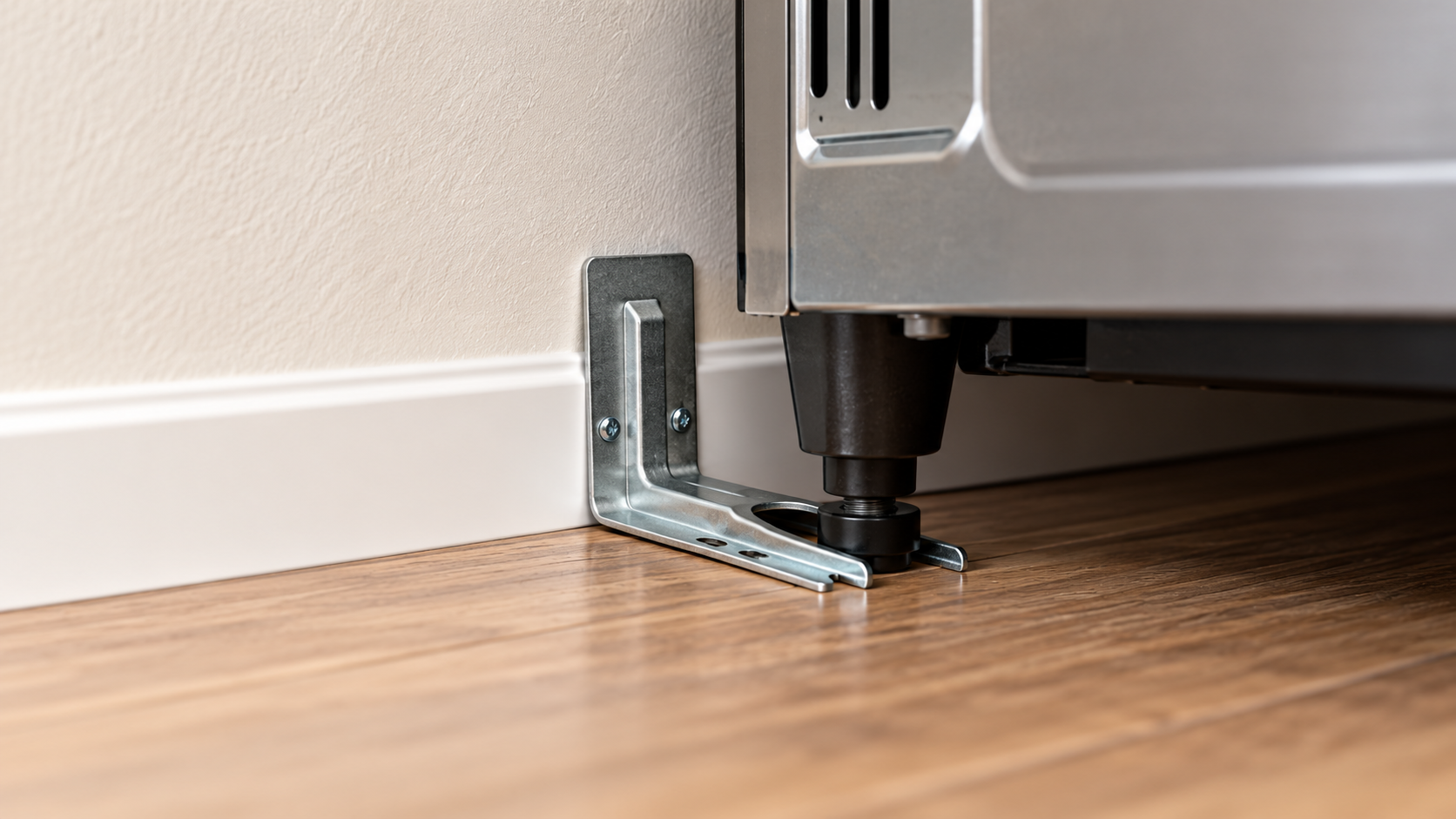
The durability of a manufactured home depends entirely on the stability of the site. Preparation requires technical precision—grading soil for water runoff and compacting earth so the foundation does not shift. However, even the most expertly prepared sites are subject to natural settling.
Because of this, owners must perform a maintenance task that is as counter-intuitive as it is vital: re-checking the home’s level 60 to 90 days after installation. While often viewed as a simple maintenance step, this check is a contractual necessity. Manufacturer warranties generally exclude problems resulting from improper installation or lack of maintenance; failing to re-level the home can void the very protections the buyer relies on. This task remains the "Achilles' heel" of home durability.
Consequences of Poor Leveling:
- Structural Stress: Warped floors, buckling walls, or cracked drywall.
- Operational Failure of Systems: Interior and exterior doors that no longer open or latch correctly; strain on plumbing and electrical connections.
- Permanent Damage to the Frame: Extreme uneven weight distribution that can cause irreversible damage to the home's steel skeleton.
4. The Warranty Gap: Understanding Factory vs. State Protections
A significant risk for buyers lies in the "warranty gap." While federal law requires manufacturers to provide a written warranty covering structural workmanship and factory-installed systems, this protection is strictly confined to the factory floor.
Standard manufacturer warranties specifically exclude "set-up" (installation) and transportation. If a unit suffers structural damage during transit or buckles because of a contractor’s poor site preparation, the manufacturer bears no responsibility. Buyers must secure separate, written warranties from the transportation company and the installation contractor to bridge this gap.
However, an expert eye should also look toward state law for "implied warranties." These are unwritten promises that a product is "fit for use"—meaning a home must be fit to be lived in. While these provide an additional layer of consumer protection, many states allow "as is" sales, particularly for used units, which can strip the buyer of these inherent rights.
5. Evolution of the Modern "Folk House"
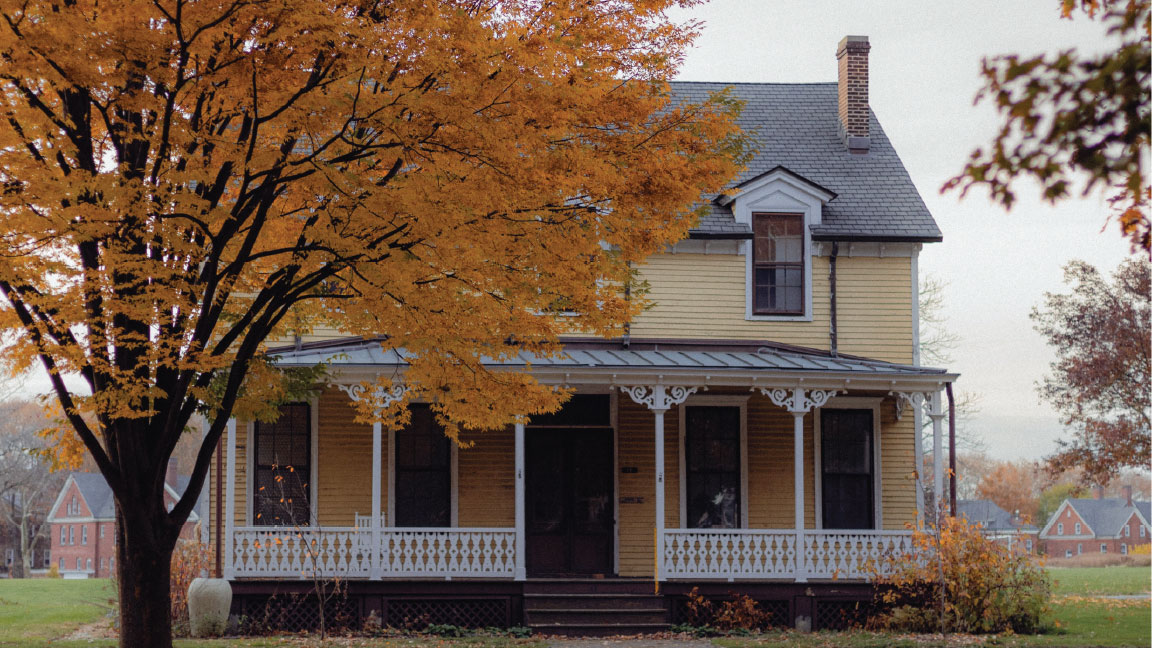
The manufactured home has evolved from an 8-foot-wide travel trailer in the 1930s into a primary pillar of American vernacular architecture. The industry hit critical milestones in 1954 with the introduction of 10-foot-wide models and again in 1969 with 12-foot-wide designs, which allowed for private hallways and interior bathrooms.
Today’s multi-section designs range from 400 to 2,500 square feet, offering high-end features like cathedral ceilings, wood-burning fireplaces, and fireproof cementitious siding. Architecturally, these homes have become the "dominant folk house" of contemporary America. They adapt to their environments with specific lineages:
- The Hall-and-Parlor Plan: Typically used in rural sitings where the long side of the home faces the road.
- The Shotgun Plan: Utilized on narrow urban lots or land-lease communities, where the narrow end faces the road to maximize density.
By 2009, the industry was producing one manufactured home for every nine traditional housing starts. This shift signals that the factory-built dwelling has replaced the traditional wood-frame house as the most accessible path to homeownership for millions.
The modern manufactured home is a highly regulated, energy-efficient solution that has outgrown its "mobile" origins. By leveraging factory efficiencies and the uniformity of the HUD code, the industry provides a range of housing that remains significantly more affordable than site-built alternatives.
.png)