Tudor Homes & Clinker Bricks
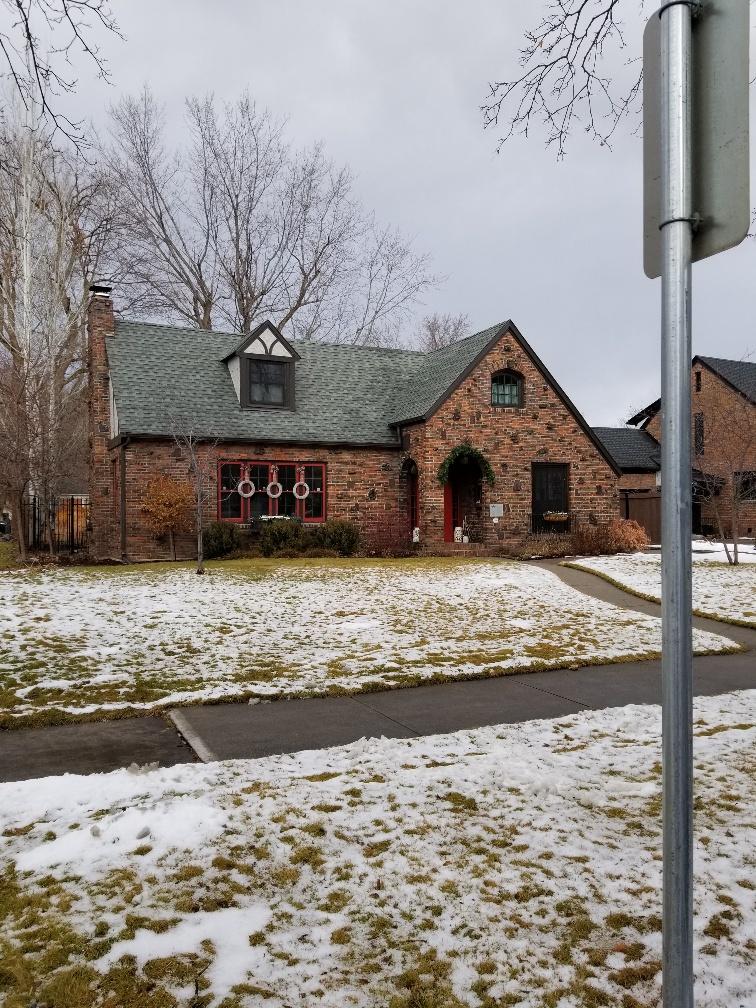
I recently performed an inspection in Missoula's University district that provided an opportunity to educate myself and my client on a unique architectural style and features. Built circa 1931, this Tudor-style home greets the street with a steeply pitched roof and a characteristically arched entryway. To the casual observer, however, the most striking feature might be the brickwork—a textured facade peppered with dark, misshapen, and seemingly burned accents.
What appears to be a collection of manufacturing defects is actually a masterclass in deliberate architectural character. These "imperfect" bricks tell a story of a culture caught between a traumatic past and an uncertain, fast-paced future, revealing why Missoula’s builders once sought beauty in the bottom of a kiln.
The Soldier’s Souvenir
The presence of the Tudor Revival style in Montana is no accident of geography; it is a direct result of the global movements of the early 20th century. During World War I, thousands of American soldiers served across the European continent.
Upon their return, these veterans brought home a deep appreciation for the traditional architecture they had witnessed in the English countryside and French villages. For many, the transition from the chaotic, muddy trauma of the trenches to the perceived permanence of a stone-and-timber cottage was a psychological necessity.
In the 1920s and 30s, this "Old World" aesthetic captured the American imagination. Building a Tudor-style residence wasn't just a fashion choice; it was an attempt to manifest a sense of ancestral stability and home in a world that had recently felt very broken.
The Alchemy of the Clinker
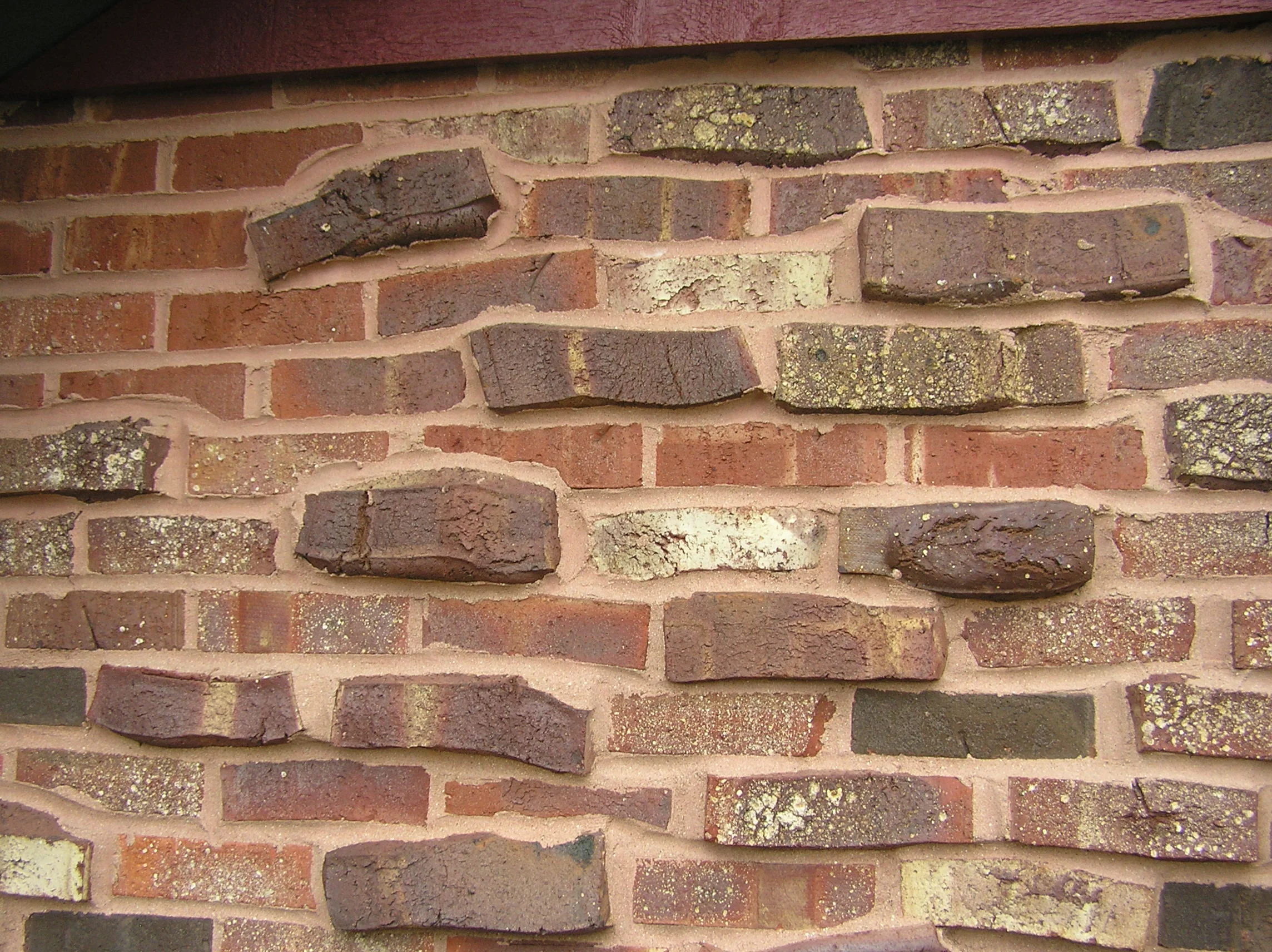
The "imperfect" bricks found at the inspection I spoke of earlier are known as "clinkers." Originally, these were the accidental byproducts of coal-fired beehive kilns. When wet clay bricks were placed too close to the fire, the extreme heat caused them to sinter and bloat. While early industrial brickmakers discarded these over-fired pieces as waste, the Arts and Crafts movement—led by pioneers like Charles and Henry Greene—began to see them as "honest" materials.
While clinkers began as industry accidents, the builders of several Missoula University District homes were far more intentional. For this specific style, the clinker bricks were purposely over-fired so they would resemble stone, providing the rustic charm required for an authentic Tudor aesthetic. This transition from "trash" to "treasure" was a direct rejection of the assembly-line precision that defined the 1930s industrial boom.
A Rebellion Against the Speakeasy Era
The popularity of the Tudor Revival style in the 1930s reflected a deep-seated ambivalence toward modernity. It was the era of short skirts and speakeasies, a time of rapid social change that left many Americans longing for a supposedly simpler past.
Homes like the one I inspected in Missoula served as an architectural rebellion. With half-timbering in the dormer and asymmetrical gables, they looked like ancient cottages. Yet, there was a fascinating contradiction: while the exteriors signaled a retreat to the past, the interiors were packed with every modern convenience available. These homes allowed residents to ground themselves in tradition while simultaneously enjoying the comforts of progress.
The Sound of Quality
The name "clinker" is derived from the high-pitched metallic "clink" the bricks make when struck together, a byproduct of their extreme density. Because they were vitrified—essentially fused into a glass-like state—they are exceptionally durable and highly water-resistant.
Ironically, these accidental masterpieces have become a rarity because we have become too good at manufacturing. Modern, temperature-controlled kilns are designed to prevent the very over-heating that creates clinkers. Because the industry has perfected uniform firing, genuine clinkers are now salvaged and highly sought after by preservationists. They serve as a reminder that quality often emerges from the unique, unrepeatable conditions of a less controlled era.
The Legacy of Imperfection
Missoula's University Area Historic District remains a vital link to a period when architecture balanced the onset of modernity with a respect for the rustic. By preserving purposeful "defects" like the clinker brick, these homes challenge our modern obsession with sterile construction. They invite us to consider: in our search for uniformity, have we lost the honest irregularities that give a home its soul?


.png)