Montana Fall Home Maintenance
Fall is the time to prepare your home for freezing temperatures, snow, and increased heating demand. A few basic maintenance items can reduce the risk of water damage, heat loss, roof problems, and equipment failures during winter.
1. Seal Air Leaks Around Windows and Doors
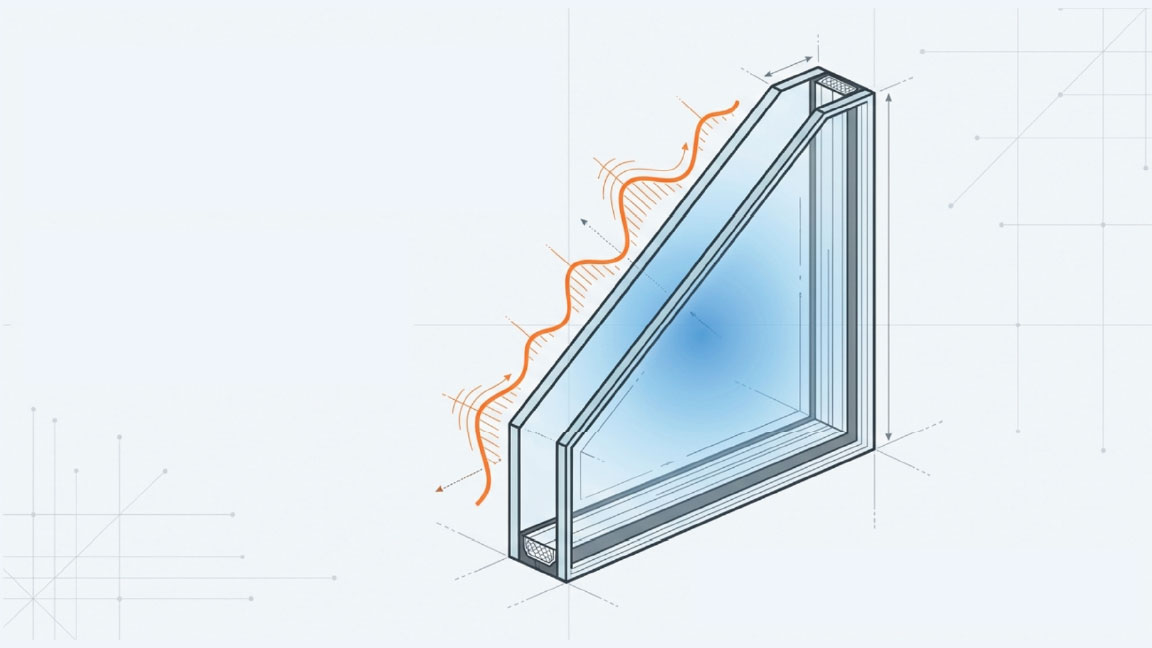
Check exterior doors and windows for obvious gaps or failed sealant. Replace deteriorated exterior caulk where appropriate and inspect weatherstripping around doors.
If you can see daylight around an exterior door, the weatherstripping or door sweep may need adjustment or replacement. Air sealing improves comfort and reduces unnecessary heat loss, particularly in older homes.
Keep in mind that a house still needs proper ventilation. The goal is to eliminate uncontrolled air leakage—not eliminate intentional ventilation.
2. Check the Roof Before Snow Arrives
Inspect the roof from the ground or another safe location. Look for:
- Missing, cracked, curled, or damaged shingles
- Loose or damaged flashing
- Deteriorated chimneys, plumbing vent boots, and other roof penetrations
- Moisture staining around skylights
- Lifted panels or backed out screws on metal roofing
Small roof problems are much easier to address before the roof is covered with snow and ice.
3. Winterize Exterior Faucets and Irrigation Systems
Water left in vulnerable plumbing can freeze, expand, and damage piping or fixtures.
Disconnect garden hoses before freezing weather and drain them before storage. If your home has older, non-frost-free exterior faucets, shut off the interior water supply to the faucet and drain the remaining water from the line.
Frost-free hose bibbs should generally remain connected to the water supply, but the hose still needs to be removed so the faucet can drain properly.
Underground sprinkler systems should also be winterized according to the system manufacturer's recommendations. In Montana, this is one of the most important fall maintenance items.
4. Clean Gutters and Check Drainage
Remove leaves, needles, and other debris from gutters and downspouts before winter.
Clogged gutters can contribute to drainage problems and may worsen ice buildup along roof edges. However, ice dams are primarily caused by heat loss into the attic combined with freezing outdoor temperatures—not simply by dirty gutters.
Make sure downspouts discharge water well away from the foundation. Extensions may be needed where water currently drains next to the house.
If your home regularly develops ice dams, the attic insulation, air sealing, and ventilation should also be evaluated.
5. Test Smoke and Carbon Monoxide Alarms
Test all smoke and carbon monoxide alarms and replace batteries where applicable.
Smoke alarms generally should be replaced 10 years after manufacture. Carbon monoxide alarm replacement intervals vary by manufacturer and model, so check the date and manufacturer's instructions.
Also clean dust from alarm covers so the openings remain unobstructed.
Fall is also a good time to clean the dryer exhaust system and kitchen range hood filter. Excessive lint and grease buildup can create fire hazards.
6. Prepare the Yard and Exterior
Continue mowing until grass growth slows for the season. Avoid leaving a thick layer of leaves on the lawn through winter, since matted leaves can trap moisture and damage turf.
Drain and store garden hoses, clean and store outdoor furniture as appropriate, and secure or store lightweight outdoor items before winter winds arrive.
Avoid unnecessary chemical cleaning mixtures. When cleaning outdoor furniture or equipment, follow the manufacturer's recommendations for the specific material.
7. Service Heating and Venting Systems
Before the heating season:
- Replace or clean the furnace filter as required.
- Operate the heating system and verify that it responds normally to the thermostat.
- Consider professional servicing if the system is overdue, has known problems, or isn't operating normally.
- Have wood-burning fireplaces and chimneys inspected and cleaned as needed.
- Check exterior intake and exhaust terminations for nests, debris, vegetation, or other obstructions.
Chimney inspections are particularly important for wood-burning appliances because creosote accumulation can create a chimney-fire hazard.
If you use ceiling fans during winter, many can be operated clockwise at low speed to circulate warm air that collects near the ceiling. Whether this noticeably improves comfort depends on the room and ceiling height.
8. Prepare Seasonal Equipment and Backup Power
Before storing lawn equipment, follow the manufacturer's instructions for fuel storage. Depending on the equipment, this may mean running the fuel system dry or using an appropriate fuel stabilizer.
If you own a portable generator, test it before you need it and make sure you have appropriate extension cords, fuel, and operating instructions available.
Never operate a portable generator inside a home, garage, crawlspace, or other enclosed or partially enclosed area. Generators produce carbon monoxide and should be operated outdoors at the clearance specified by the manufacturer.
A Little Fall Maintenance Goes a Long Way
Most fall maintenance isn't complicated. The goal is simply to address small problems while the weather is still cooperative.
Pay particular attention to exterior water systems, roof drainage, heating equipment, smoke and CO alarms, and anything that could freeze or become inaccessible once snow arrives.
A few hours spent preparing your home in September or October can prevent much more difficult repairs in January.
.png)