The Real Cause of Ice Dams (And Why It’s Not Your Gutters)
Every winter, many Montana homeowners watch the same scene unfold: a blanket of snow settles on the roof, and within a few days, thick ridges of ice begin accumulating along the eaves. The gutters fill with frozen slush, icicles grow, and sooner or later someone says, “These gutters are terrible—they’re causing the ice dams.”
But the truth is far less intuitive.
Gutters don’t cause ice dams. Heat loss does.
Ice damming is one of those issues that reveals how a house really works. On the surface, it looks like a simple winter nuisance—snow melts, refreezes, forms a blockade, and suddenly water is finding its way under shingles and causing moisture damages. But the real story begins long before the water reaches the roof edge. It begins in the attic.
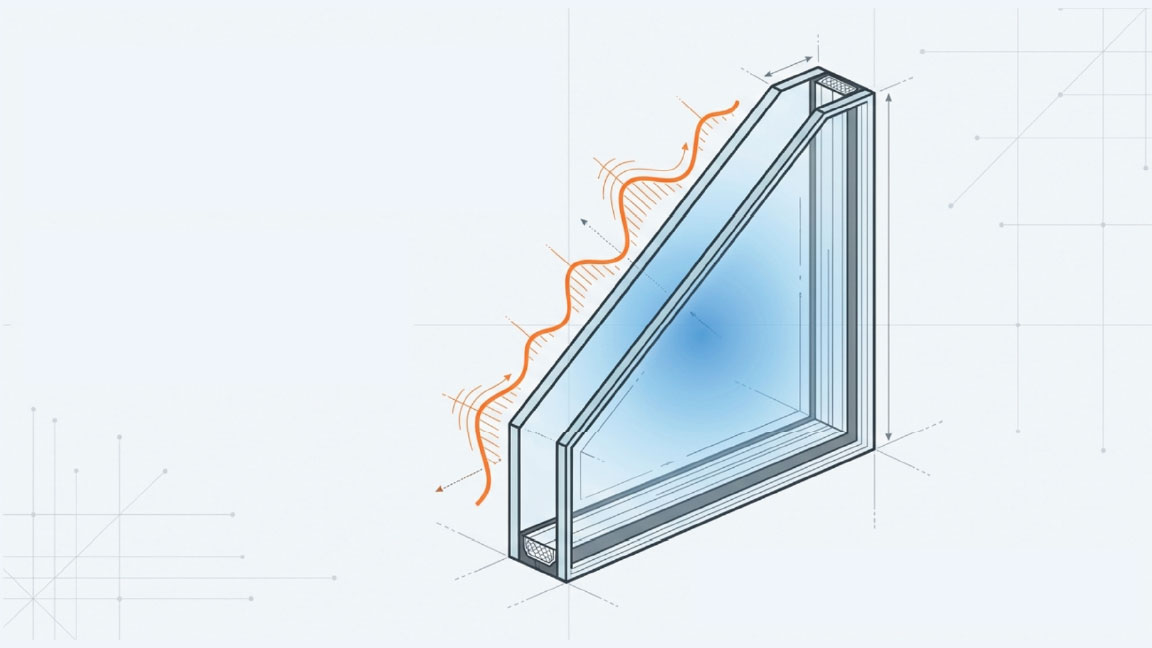
Most homes, especially older Montana homes, lose heat upward—a combination of insufficient insulation, missing air sealing, leaky attic hatches, bath fans that vent into the attic, warm ductwork buried in blown-in insulation, and countless little gaps around wiring and light fixtures. All of these small imperfections allow warm indoor air to rise into the attic, resulting in increased temperatures at the roof deck. It doesn't take much of a temperature difference between the roof deck and the outdoor air to melt the underside of the snowpack, which then trickles down toward the eaves.
And here’s where the illusion happens.
When that water reaches the "unheated" portion of the roof—the overhangs and gutters—it encounters temperatures well below freezing. The water solidifies into ice, building upward until it forms a thick ridge. Because the ice is visible at the gutter line, we naturally assume the gutter must be at fault. But the gutter is just the messenger. The real culprit is heat escaping into the attic.
In Montana’s climate, the conditions are especially ripe for this problem. Large snowfall, cold nights, and sunny days create the perfect freeze-thaw rhythm. If the roof above is warm, even just a little, the process repeats constantly: melt, run, freeze, back up. Ice dams are a building-science story more than a weather story.
Fortunately, the solutions live inside the attic too. The first—and most impactful—step is air sealing. Before adding even one inch of insulation, the attic floor should be treated like a pressure boundary. Every gap around electrical wiring, plumbing stacks, light fixtures, and framing joints needs to be sealed so warm indoor air cannot sneak upward. This alone can drastically reduce the temperature swing on the roof deck.
Once the attic is properly sealed, insulation becomes meaningful. Many Montana attics only have R-19 to R-30 worth of insulation, which is far from the recommended R-49 to R-60 needed for our winters. Adding or upgrading insulation helps keep the living space warm while keeping the attic cold—the exact combination that prevents ice dams.
Ventilation plays a supporting role. A well-ventilated attic stays closer to the outdoor temperature, allowing the roof deck to remain evenly cold. Continuous soffit vents, a functional ridge vent, and baffles at every rafter bay help maintain steady airflow. When insulation and ventilation work together, the roof remains cold from top to bottom, snow melts naturally, and ice dams have no reason to form.
Of course, not every home is simple. Some roofs have complex valleys, dormers, or cathedral ceilings where ventilation paths are limited. Others have inaccessible attics or structural designs that make perfect airflow nearly impossible. In these cases, homeowners often turn to heat tape—electric heating cables installed along the eaves to melt paths through the ice.
Heat tape can be effective, but it’s best understood as a tactical workaround—not a cure. It does nothing to prevent heat loss inside the home; it simply manages the ice created by that loss. Over time, heat tape can lead to higher utility bills, premature shingle wear, and frustration when sections fail or short out. In some cases, it can even become a fire hazard if installed incorrectly. Many Montana homeowners find themselves relying on it year after year because the underlying issue goes unaddressed.
The most durable, energy-efficient, and cost-effective approach is always the same: keep the attic cold by keeping the home warm. Seal the air leaks. Add insulation. Restore ventilation. Fix the pathways that allow heat to wander where it shouldn’t.
Ice dams may look like a winter problem, but they’re actually a symptom of a home that’s trying to tell you something. When you understand how the building envelope works, the solution becomes far more clear—and far more achievable. And for Montana homeowners, that knowledge means fewer leaks, a healthier roof, and a warmer home all winter long.
.png)