Asbestos Management for Homeowners
1. Asbestos in Montana Homes
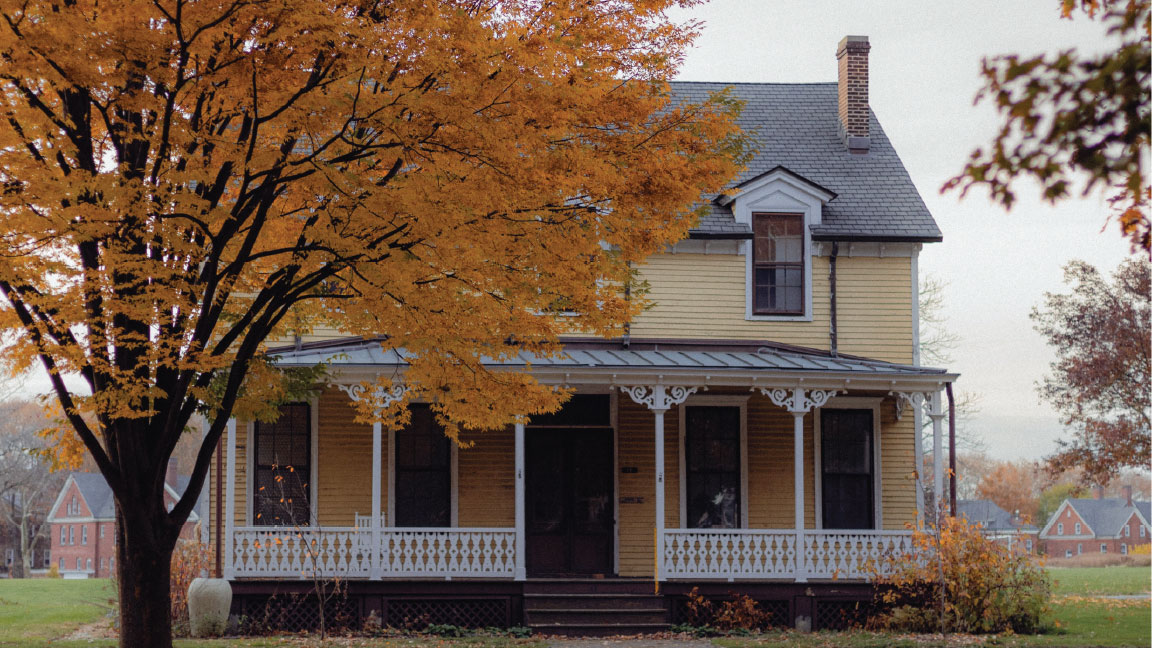
Asbestos-containing building materials are common in older residential construction throughout Montana. For much of the twentieth century, asbestos was incorporated into insulation, flooring, siding, roofing, mechanical-system components, joint compounds, and numerous other building products because of its durability, tensile strength, and resistance to heat and chemicals.
The presence of a suspected asbestos-containing material does not necessarily mean that a home is unsafe. The primary concern is whether the material is damaged, deteriorated, or likely to be disturbed, allowing asbestos fibers to become airborne.
For homeowners, particularly those planning renovation or demolition work, understanding where asbestos may be present and when professional evaluation is appropriate is an important part of managing an older property.
2. Intact Materials Are Generally Best Left Undisturbed
One of the most important principles of asbestos management is relatively straightforward: asbestos-containing material that is intact and unlikely to be disturbed is generally best left in place.
Asbestos becomes a health concern primarily when fibers are released into the air and subsequently inhaled. Materials that are damaged, deteriorated, friable, cut, sanded, drilled, scraped, or otherwise disturbed have a greater potential to release fibers.
For this reason, unnecessarily opening, cutting, or removing a suspected material for the purpose of determining what it contains can increase the potential for exposure.
If a suspected asbestos-containing material is in good condition and located where it is unlikely to be damaged or disturbed, immediate removal may not be necessary. Periodic observation and appropriate management may be preferable to unnecessary disturbance.
The best approach for asbestos-containing material in good condition is often to leave it undisturbed.
3. Know Where Asbestos May Be Found
Asbestos was incorporated into a wide variety of construction products because of its fire resistance, durability, insulating properties, and strength. Although asbestos is most commonly associated with older buildings, homeowners should not assume that age or appearance alone can definitively establish whether a particular material contains asbestos.
Common locations and materials that may contain asbestos include:
- Insulation on steam pipes, boilers, furnaces, and ductwork, including asbestos paper and insulating blankets.
- Resilient flooring materials, including certain vinyl, asphalt, and rubber floor tiles, as well as associated mastics and adhesives.
- Cement board, millboard, and insulating paper installed around furnaces, fireplaces, and wood-burning appliances.
- Certain textured coatings, patching compounds, joint compounds, and other wall or ceiling materials.
- Asbestos-cement roofing products, shingles, siding, and panels.
- Gaskets and other heat-resistant components associated with older oil-, coal-, and wood-burning equipment.
Visual inspection can identify materials that are suspect, but appearance alone generally cannot confirm the presence or absence of asbestos. Laboratory analysis is typically required for definitive identification.
4. Understand Montana's Residential Exemption
Montana asbestos regulations include a residential exemption applicable to certain residential structures, including single-family homes and residential buildings containing four or fewer dwelling units.
However, the exemption has limitations. A residential building, or a portion of one, may be treated differently when it is used for certain commercial or public purposes, such as a repair shop, daycare facility, or public office. Renovation and demolition work involving regulated facilities may require an asbestos inspection and additional documentation before work begins.
The residential exemption also does not mean that asbestos waste can be handled or disposed of without restriction. Asbestos-containing waste remains subject to Montana disposal requirements and must be taken to an appropriately approved Class II or Class IV landfill.
Homeowners should therefore distinguish between exemption from certain asbestos-project regulations and the broader requirements governing safe handling and disposal.
Even when a residential project qualifies for an exemption, using appropriate asbestos-management practices can substantially reduce the potential for unnecessary exposure.
5. Vermiculite Insulation Deserves Particular Attention in Montana
Vermiculite attic insulation is especially relevant to Montana homeowners because of the history of vermiculite mining near Libby, Montana.
A significant portion of vermiculite insulation historically sold in the United States, including material marketed under the Zonolite brand, originated from the Libby mine. Vermiculite from this source was contaminated with naturally occurring asbestos minerals.
Vermiculite insulation typically appears as lightweight, pebble-like or accordion-shaped granules and may range in color from gray or brown to silver or gold.
Because visual examination cannot reliably determine whether vermiculite contains asbestos, homeowners should avoid unnecessarily disturbing suspected vermiculite insulation. When this material is present, professional evaluation is appropriate before renovation, electrical work, air sealing, attic improvements, or other activities that could disturb it.
Homeowners with qualifying Zonolite Attic Insulation may also be eligible for financial assistance through the Zonolite Attic Insulation Trust, which can reimburse a portion of eligible testing and abatement expenses.
6. Avoid DIY Sampling
Collecting a sample of suspected asbestos-containing material may appear simple, but the sampling process itself can release fibers.
Cutting flooring, scraping textured coatings, breaking insulation, removing pipe wrap, or collecting loose attic insulation can disturb material that was previously stable. Because individual asbestos fibers are microscopic, airborne contamination cannot be reliably identified by sight.
The health effects associated with asbestos exposure can also have long latency periods. Diseases associated with asbestos exposure include mesothelioma, lung cancer, and asbestosis, and symptoms may not develop until decades after exposure.
For these reasons, suspected materials should generally be sampled by a qualified asbestos professional. Professional sampling procedures are designed to minimize disturbance and fiber release, including controlled sampling techniques and appropriate containment and cleanup procedures.
The objective of testing should be to obtain reliable information without creating an unnecessary exposure in the process.
7. Use Qualified Professionals When Abatement Is Necessary
Montana regulations establish thresholds for work that constitutes an asbestos project. Renovation or demolition involving more than 10 square feet, 3 linear feet, or 3 cubic feet of regulated asbestos-containing material may trigger specific regulatory requirements.
When those requirements apply, Montana-accredited asbestos professionals may be required for inspection, project design, abatement, oversight, or other portions of the work.
Homeowners should also consider maintaining independence between the company evaluating a suspected asbestos condition and the company performing the removal.
Using one qualified firm for inspection and testing and a separate, unrelated contractor for abatement can reduce potential conflicts of interest. The inspector's role is to determine whether asbestos is present and what action is warranted; the abatement contractor's role is to complete the required removal or containment work.
This separation can help ensure that the scope of abatement is based on the actual condition of the property rather than an incentive to increase the amount of removal work.
8. Manage the Material, Not the Fear
Asbestos should be treated as a legitimate environmental health concern, but its presence does not automatically make a building unsafe or require immediate removal.
The appropriate response depends on the type, location, condition, and anticipated disturbance of the material.
For Montana homeowners, the practical approach is straightforward: recognize materials that may contain asbestos, avoid unnecessary disturbance, obtain professional testing when identification is necessary, and use qualified professionals when renovation or abatement work will affect confirmed asbestos-containing materials.
This is particularly important before remodeling older homes, replacing flooring, removing siding or roofing, modifying mechanical systems, or performing work in attics containing vermiculite insulation.
Understanding what is present before work begins allows asbestos to be managed as a defined building condition rather than discovered unexpectedly during construction.
Before beginning your next renovation project, consider whether the materials you plan to remove or disturb could contain asbestos—and whether testing should occur before the work begins.
.png)