Cold Climate Homeownership 101
A Warm-State Buyer's Guide to Living in a Montana Home
If you're moving to Montana from a warmer climate, welcome.
You're probably excited about the mountains, the rivers, the slower pace of life, and finally having four real seasons (even if some of them are shorter than we'd like). But along with all of those benefits comes something many first-time cold climate homeowners don't anticipate:
Homes here have different needs.
A house in Montana isn't simply the same home you'd find in Arizona, Florida, or Southern California with more insulation. It's designed to withstand months of freezing temperatures, heavy snowfall, and dramatic swings in weather. Owning one successfully requires a slightly different mindset.
The good news? None of it is difficult once you know what to expect.
Here are some of the biggest surprises—and how to stay ahead of them.
1. You Have To Winterize Your Irrigation System
If your home has an underground sprinkler system, it must be professionally winterized before freezing temperatures arrive each fall.
Unlike above-ground hoses, irrigation piping is buried and difficult to repair. Water left inside the lines can freeze, expand, and crack pipes, valves, or sprinkler heads.
Each fall a professional sprinkler contractor should:
- Shut off the irrigation water supply.
- Have the system blown out with compressed air.
- Leave it off until spring.
Skipping this simple maintenance can result in expensive repairs before next year's watering season even begins.
2. You Should Know Where Your Main Water Shutoff Is
Every homeowner should know this—but it's especially important during winter in cold climates.
If a frozen pipe ever bursts, shutting off the water quickly can dramatically reduce the amount of damage to your home.
Take a few minutes after moving in (or during your home inspection) to locate the main water shutoff valve. Better yet, make sure everyone in your household knows where it is and how to operate it.
3. You Need To Disconnect Garden Hoses
Many Montana homes have frost-free hose bibs, but they only work properly if they're allowed to drain.
If a hose remains attached through freezing weather, water can become trapped inside the faucet. The pipe may freeze and burst inside the wall without any visible signs until it thaws.
Before temperatures drop:
- Disconnect all hoses.
- Drain hose reels if applicable.
- Store hoses indoors if possible.
It only takes a minute and can prevent a very costly plumbing repair.
If your home doesn't have frost-free spigots, they must be shut off at the interior before freezing temperatures strike.
4. You Should Understand Your Mini-Split's Limits
Mini-split heat pumps have become increasingly common, and many perform remarkably well—even below zero.
However, performance can change as outdoor temperatures fall.
Some systems continue producing heat efficiently at very low temperatures, while others rely on supplemental electric heat or another backup heating source during extreme cold.
Spend a few minutes learning:
- The minimum operating temperature for your system.
- Whether your home has supplemental heat.
- How defrost cycles work.
- The manufacturer's recommended thermostat settings.
Many homeowners unintentionally reduce efficiency simply by operating a mini-split the same way they would a conventional furnace.
5. You Should Keep Snow Away From Exterior Vents
Heavy snowfall doesn't just affect driveways.
It can also block:
- Furnace exhaust vents
- Fresh-air intake vents
- Dryer vents
- Plumbing vent stacks
Blocked vents can reduce appliance performance and, in some cases, create safety hazards.
After significant snowfalls, take a quick walk around your home and make sure these openings remain clear.
7. You Should Watch Your Indoor Humidity
Winter air outside is very dry, but warm indoor air can hold a surprising amount of moisture.
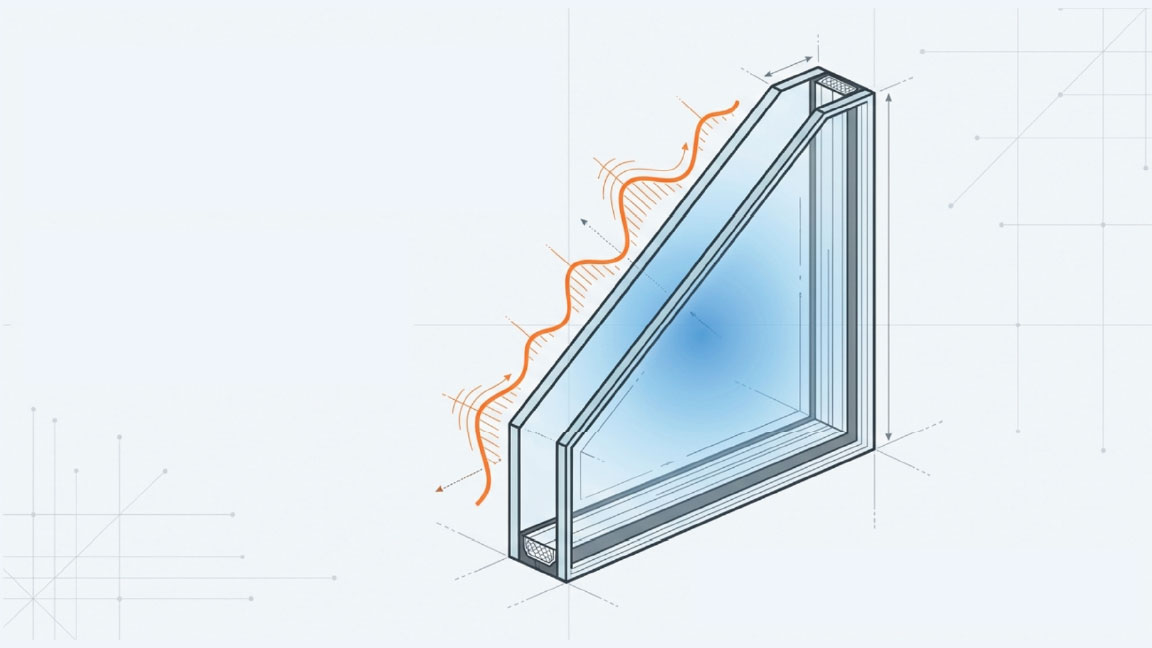
When that warm, humid air contacts a cold window or exterior wall, condensation forms. If humidity stays too high for extended periods, it can damage wood trim, encourage mold growth, and even cause frost to develop on windows.
Use bathroom exhaust fans during showers, run the kitchen range hood while cooking, and keep indoor humidity at appropriate levels throughout the winter.
A little moisture is normal. Water running down your windows is not.
8. You Should Respect Snow Loads
Fresh powder may look light, but a winter's worth of accumulated snow can become incredibly heavy.
Most Montana roofs are engineered to support expected snow loads, but unusual weather patterns or repeated storms can occasionally create excessive loading.
If snow accumulation becomes extreme, consult a qualified roofing professional before attempting removal yourself. Improper snow removal can damage roofing materials or create dangerous fall hazards.
9. You Should Learn to Recognize Ice Dams
One of the most misunderstood winter problems is the ice dam.
Ice dams form when heat escapes into the attic, warming the roof enough to melt snow. As that water reaches the colder roof edge, it refreezes, creating a ridge of ice. Eventually, melting water backs up behind the dam and can work beneath the roofing materials.
The result may include:
- Interior ceiling stains
- Wet insulation
- Damaged drywall
- Mold growth
- Premature roof deterioration
Contrary to popular belief, the solution usually isn't removing all the snow from your roof. It's improving attic insulation, air sealing, and ventilation so the roof remains consistently cold.
If you notice large icicles or recurring ice dams, it's often a sign that your attic deserves a closer look.
10. You Should Shovel when you have time—not when it stops snowing.
Many newcomers wait until the storm is over before clearing their driveway and sidewalks. In Montana, that can mean moving hundreds of pounds of heavy, compacted snow all at once.
Instead, shovel periodically throughout the storm whenever you have a chance. A few lighter passes are far easier on your back than one marathon session at the end. You'll also reduce the chance of packed snow turning into a sheet of ice as temperatures rise and fall.
Final Thoughts
Montana winters can seem intimidating if you've never experienced one, but they don't have to be.
Most cold-weather home problems aren't caused by the weather itself—they're caused by small maintenance items that were overlooked or simply unknown.
A little seasonal preparation goes a long way.
As a home inspector, I've found that the most successful homeowners aren't necessarily the most experienced. They're the ones who stay curious, perform routine maintenance, and address small problems before they become large ones.
Welcome to Montana. Your house was built for winter.
With a little knowledge, you'll be ready for it too.
.png)